
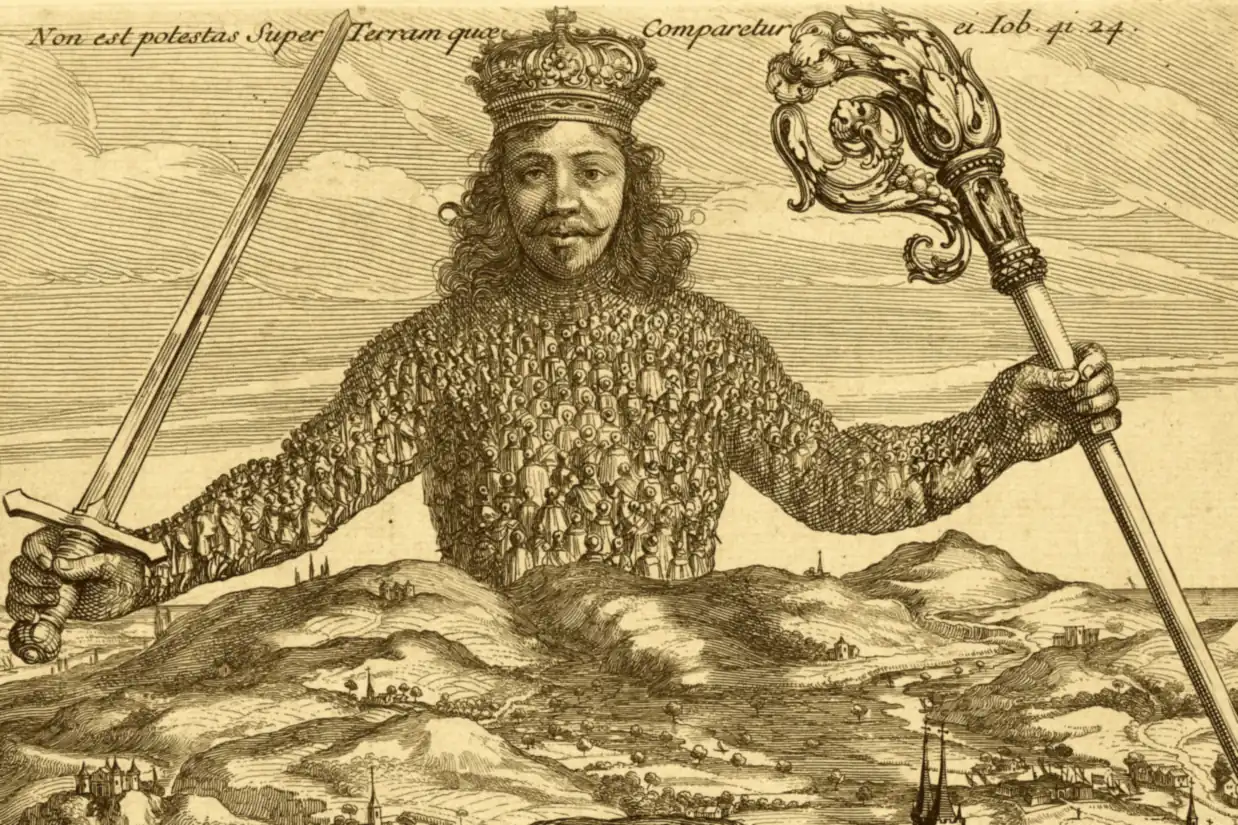
Every serious organisation already holds the data it needs to make better decisions. What it lacks is a way to turn that data into a decision, and the decision into an action, without losing control of either. That is what we mean by owning the decision space.
Information has never been the bottleneck. Twenty years of collecting, warehousing and dashboards have produced analytics that describe the past, in silos that do not connect, while decisions still move by email and meeting. The hard part is getting from a question to an action you can defend. Generative AI promised to close that gap, and for consumer tasks it has. Put a general-purpose model in a bank, a ministry or a factory, and the promise fails in three ways.
Why general-purpose AI fails here
An agent pointed at raw tables has to guess. The meaning of a business is not in its data: it is in naming conventions and in the heads of the people who have been there longest. In a regulated setting, those guesses are called hallucinations, and an answer that is 95% right is a liability.
General-purpose AI also assumes your data can leave. Most of the market sends your most sensitive records to another company’s cloud, under another country’s law, and cannot answer the three questions a sovereign operator must answer without hesitation: who decided, on what data, and can it be undone?
Sovereign, governed, agentic
Galahad rests on four convictions, and Monarch is built on them.
Define the business, and the guessing stops. Monarch is built on an ontology: your entities, relations, rules and exceptions are defined explicitly, not inferred. The agent then reads across the systems you already run, where they are, in the vocabulary your teams already use. On your own domain, that is the difference between a verifiable answer and plausible fiction.
That is what makes AI useful for decisions. Drafting text requires no knowledge of your business; a decision requires nothing else. An agent that holds your model answers a question spanning six systems at once, shows the query behind every figure, and proposes the action that follows. The expert’s job shifts from assembling the answer to judging it.
The AI proposes; a person decides. This is safe because actions are prepared, not executed. Connections are read-only by default. Every write is prepared, shown to you in full, and committed only with your explicit approval.
None of this counts if the reasoning happens elsewhere. Monarch runs inside your perimeter, fully disconnected where required. Your data stays where it is; the intelligence comes to it. Every query, plan and result is recorded in an append-only audit trail: who decided what, when, on which record. And Galahad is a French company: Monarch complies with the GDPR and the AI Act.
The real question is whether you can trust an AI answer enough to act on it, and prove afterwards exactly what was done.
Sovereignty, not novelty
Many platforms can generate an answer. Very few can give a sovereign operator an answer it is allowed to act on: grounded in its own ontology, executed under human control, kept within its own jurisdiction, and defensible in an audit.
Owning the decision space does not require the cleverest model. It means being able to go from question to accountable action without asking anyone’s permission to use your own data.